


Introduction
Time management is the backbone of every successful digital agency. Managing deadlines, tracking billable hours, and delivering projects on time are essential to keeping operations profitable and clients satisfied. However, the absence of a robust time tracking tool often results in inefficiencies, revenue loss, and reduced team productivity.
Enter TMetric, a leading time tracking software that does more than just log hours. With features like task management, project monitoring, and team productivity insights, TMetric is designed to address the unique challenges faced by digital agencies. Whether you’re struggling with missed deadlines or untracked billable hours, this software promises to transform the way agencies manage time and resources.
In this article, we’ll explore the problems digital agencies face without time tracking, the standout features and benefits of TMetric, its drawbacks, and how it stacks up against its top competitors.
5 Common Problems Digital Agencies Face Without Time Tracking Software

For digital agencies, managing time effectively is critical to profitability, client satisfaction, and team performance. Yet, without proper time-tracking software, agencies face several challenges that can severely impact operations. From unbilled hours to strained client relationships, the absence of a robust system not only limits growth but also compromises efficiency and morale. Below are five common problems digital agencies encounter without time-tracking software and the potential consequences for their business.
1. Missed Billable Hours
Stat: Agencies lose an average of $50,000 annually in untracked billable hours (Source: Clockify).
Without a reliable time-tracking system, it’s easy for hours spent on client projects to go unaccounted for, particularly with multitasking and overlapping tasks. This results in underbilling, directly affecting revenue. Even minor discrepancies can accumulate over time, creating significant financial gaps. A robust time-tracking solution ensures accurate logging of all billable hours, enabling agencies to capture the full value of their work and boost profitability.
2. Inefficient Project Planning
Ineffective project planning is often a byproduct of poor visibility into time allocation. Without accurate data, agencies struggle to allocate resources effectively or estimate realistic timelines, leading to delayed deliverables and frustrated clients. This lack of foresight can derail multiple projects at once, further compounding inefficiencies. Time-tracking software offers the clarity needed to allocate resources based on actual capacity, ensuring projects are completed on time and within scope.
3. Accountability Gaps
Stat: Teams without time-tracking systems report a 20% drop in productivity due to unclear task ownership and workflow inefficiencies (Source: McKinsey).
When tasks and responsibilities lack transparency, assessing individual performance becomes challenging for managers. Accountability gaps can lead to workflow bottlenecks, missed deadlines, and uneven workloads, ultimately slowing progress. By implementing time-tracking software, agencies gain real-time insights into team activities, helping managers monitor progress, address inefficiencies, and maintain a balanced distribution of tasks.
4. Poor Client Transparency
Clients expect clear and detailed reporting on how their budgets are being utilized. Without time-tracking software, agencies may struggle to provide comprehensive time reports, leading to misunderstandings or billing disputes. This lack of transparency can damage trust and strain client relationships. Time-tracking tools help generate detailed reports, offering clients visibility into project timelines and resource allocation, ensuring trust and accountability remain intact.
5. Team Burnout
Stat: Employees in teams without workload monitoring are 68% more likely to experience burnout (Source: Gallup).
Without monitoring workload and time allocation, team members often end up overworked, leading to stress and burnout. Overextended employees produce lower-quality work, negatively impacting client satisfaction and increasing the risk of staff turnover. Time-tracking software enables managers to balance workloads effectively, ensuring team members are not overwhelmed and can maintain a high standard of output.
The absence of time-tracking software can create widespread challenges for digital agencies, from financial losses to reduced team efficiency and strained client relationships. Implementing a robust time-tracking solution addresses these issues by capturing billable hours, improving project planning, ensuring accountability, enhancing transparency, and preventing burnout. For agencies seeking to improve operations and scale effectively, time-tracking software is no longer a luxury—it’s a necessity. By adopting the right tools, agencies can streamline workflows, enhance client trust, and foster a thriving work environment.
Why TMetric for Digital Agencies Like LICERA?
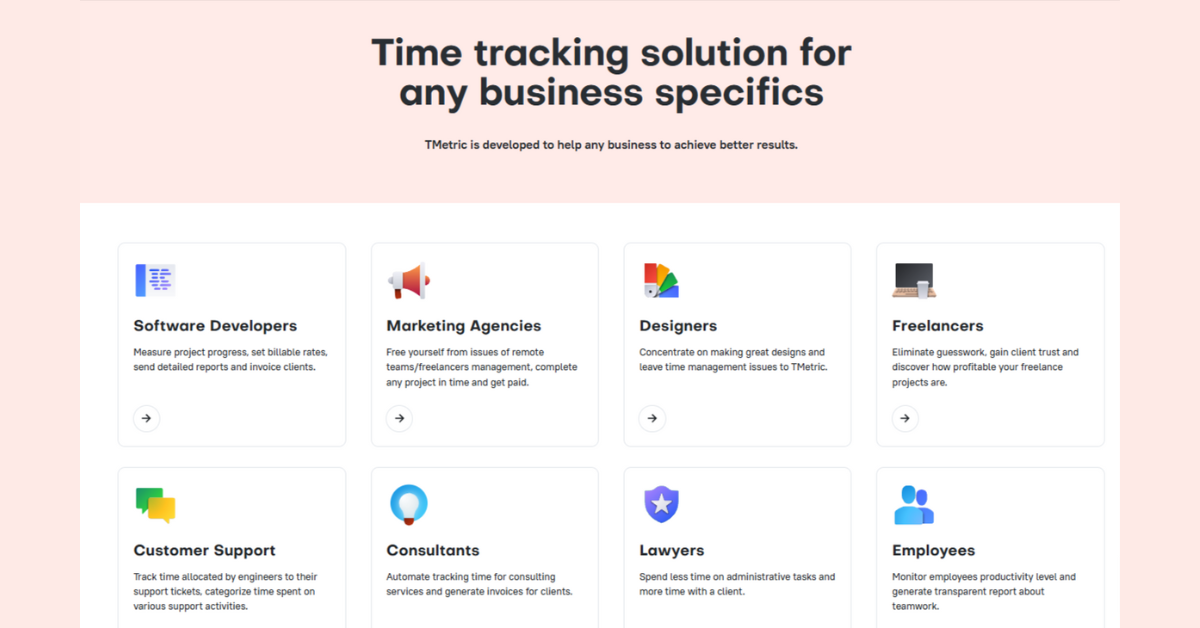
TMetric helps digital agencies like LICERA effectively manage time, projects, and resources, addressing challenges like untracked billable hours and inefficient workflows. Its intuitive features enhance transparency, streamline operations, and boost productivity, improving client satisfaction and profitability.
Key Features of TMetric
Here are the key features of this state-of-the-art time digital agency solution:
1. Time Tracking
TMetric’s time-tracking tools ensure that no billable hour is missed. For LICERA Growth Marketing Group, this feature was transformative. By accurately logging time spent on specific tasks, the agency improved billing accuracy and gained insights into operational efficiency. This precision allowed LICERA to optimize workflows and dedicate more resources to client projects.
2. Billing & Invoicing
TMetric’s billing and invoicing capabilities simplify financial management, enabling agencies to set billable rates, track earnings, and generate detailed invoices with ease. LICERA used this feature to streamline its billing process, ensuring accurate and transparent client reports. These detailed invoices helped LICERA build trust with clients, which was critical in securing and retaining high-value contracts.
3. Project Management
With tools to monitor progress, set budgets, and ensure deadlines are met, TMetric’s project management features provide agencies with full visibility into their operations. LICERA leveraged these capabilities to keep complex campaigns on track, delivering consistent results while meeting client expectations. This meticulous project oversight was instrumental in helping the agency earn accolades like Marketing Agency of the Year for two consecutive years.
4. Team Management
TMetric’s team management tools allow agencies to track productivity, manage workloads, and ensure balanced task allocation. LICERA used these features to monitor team performance and ensure resources were distributed effectively. This improved collaboration among departments, leading to a 250% increase in overall productivity within four months of adopting TMetric.
5. Task and Time Off Management
Organizing and prioritizing tasks becomes effortless with TMetric. Agencies can assign deadlines, track progress, and ensure all tasks are aligned with team goals. LICERA combined task management with TMetric’s time-off tracking feature to maintain seamless workflows, even during peak campaign seasons or when managing employee leave. This adaptability helped the agency maintain high-quality deliverables without overburdening the team.
Conclusion: TMetric Drives Agency Success

TMetric stands out as a comprehensive tool for digital agencies, combining precise time tracking, streamlined billing, and robust project management features. LICERA Growth Marketing Group’s success story exemplifies the platform’s impact: a 250% boost in productivity and industry recognition for excellence.
For agencies looking to improve workflows, enhance transparency, and deliver superior client results, TMetric is a proven solution. Empower your team and take your agency’s operations to the next level with TMetric.
5 Benefits of Using TMetric (with Expanded Details)

TMetric is more than just a time-tracking tool—it’s a comprehensive platform that streamlines operations and boosts efficiency for digital agencies. By offering precise billing, seamless integrations, and actionable insights, TMetric empowers teams to optimize their workflows and strengthen client relationships. Let’s explore the key benefits in detail.
1. Enhanced Billing Accuracy
One of the most significant challenges for agencies is ensuring that every billable minute is accounted for. TMetric excels in tracking time across tasks and projects, minimizing revenue loss. Agencies using TMetric report a 25% reduction in unbilled hours, as every activity is accurately logged.
Example: A design agency using TMetric can track time spent on client revisions, ensuring additional work is justified with precise logs. This not only maximizes revenue but also builds transparency with clients regarding billing.
2. Seamless Integration with Popular Tools
TMetric integrates effortlessly with over 50 platforms, such as Asana, Jira, and ClickUp, enabling teams to track time without interrupting workflows. These integrations eliminate the need to switch between apps, saving teams an average of 10 hours per month.
Example: Teams working in Asana can start TMetric’s timer directly within tasks, ensuring seamless time tracking and improved workflow accuracy. This automation simplifies project management while maintaining detailed logs for every task.
3. Transparent Client Reporting
Clear communication is crucial for client satisfaction, and TMetric’s customizable reporting tools provide clients with detailed insights into time allocation. Agencies that use TMetric report a 30% improvement in client satisfaction, thanks to detailed reports that reduce disputes and foster trust.
Example: A content marketing agency uses TMetric to create weekly reports, breaking down hours spent on strategy, writing, and revisions. This transparency reassures clients that their budget is being used effectively and strategically.
4. Improved Team Productivity
TMetric offers managers actionable insights into team performance, allowing them to identify inefficiencies and redirect resources to high-priority tasks. This capability results in a 20% increase in team productivity, as employees spend more time on meaningful work.
Example: A development team uses TMetric’s productivity analysis to reduce unproductive meeting hours. By reallocating that time to coding tasks, the team increases output and meets project deadlines more consistently.
5. Cost-Effective Pricing
TMetric provides robust features at an affordable price point, with plans starting at just $5 per user per month. Compared to competitors offering similar capabilities, agencies save an average of $120 per user annually.
Example: For a mid-sized agency with 20 users, TMetric delivers substantial cost savings while maintaining high-quality features, making it accessible even to smaller teams looking for advanced project management tools.
TMetric is a Smart Choice for Agencies
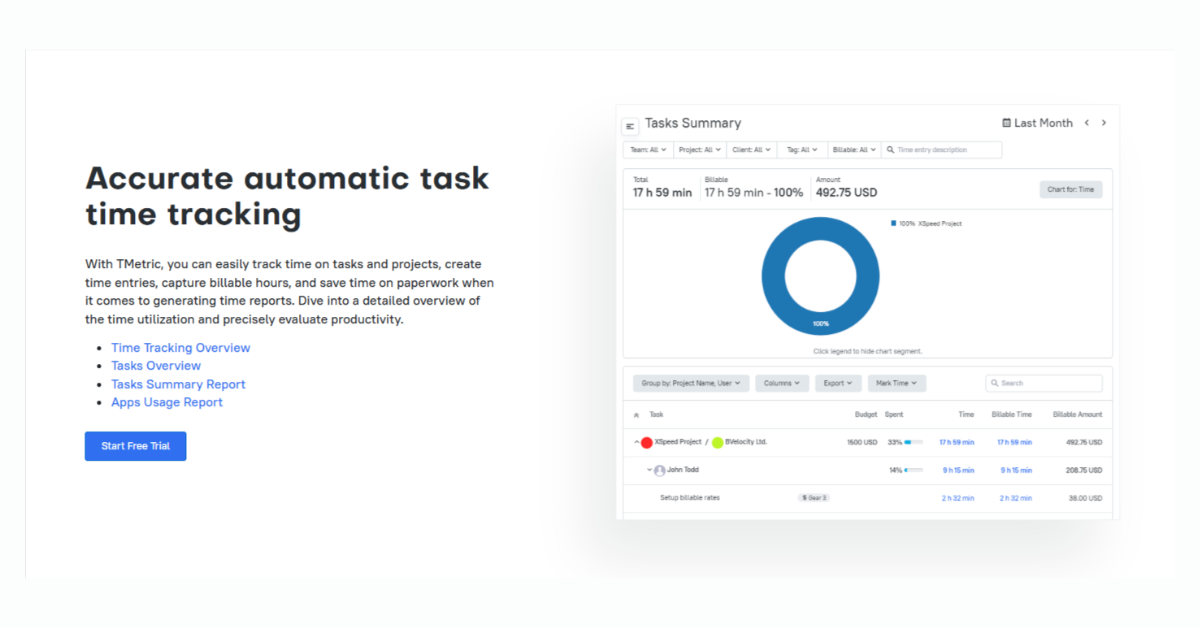
TMetric combines precise time tracking, seamless integrations, and transparent reporting to help agencies optimize their workflows, enhance client satisfaction, and boost productivity. Its cost-effective pricing ensures that teams of all sizes can access its powerful features without stretching their budgets.
For agencies seeking a tool that delivers measurable results, TMetric stands out as an essential solution for achieving operational excellence.
5 Limitations of TMetric

While TMetric is a robust time-tracking and management tool for many businesses, it is not without its limitations. Understanding these drawbacks helps agencies make informed decisions about whether it aligns with their unique operational needs. Below, we expand on five key limitations of TMetric and their potential impact on users.
1. Limited Offline Functionality
TMetric’s reliance on online connectivity presents challenges for teams working in areas with poor or unstable internet. Without a strong connection, users may have to manually log hours, which can lead to discrepancies or extra work later.
Example: A marketing agency conducting fieldwork in remote locations may struggle with real-time time tracking, requiring manual inputs that could disrupt workflow accuracy.
2. Basic User Interface
Although TMetric is functionally sound, 18% of users find its user interface less polished compared to competitors like Toggl. This may impact user satisfaction for teams that prioritize aesthetics and intuitive navigation.
Example: Agencies that value visually engaging dashboards for presenting progress reports or performance insights to clients may find TMetric’s interface less compelling.
3. Learning Curve for Advanced Features
While TMetric’s core functionalities are user-friendly, advanced tools such as detailed reporting or custom workflows require additional training. Users report spending 4-6 hours learning these features, which could slow down onboarding.
Example: A newly onboarded team might require extra training sessions to fully utilize advanced features like time analytics or performance metrics, delaying initial productivity.
4. No Built-In Invoicing Integration
TMetric does not offer built-in invoicing capabilities, requiring users to integrate third-party tools. This adds complexity for agencies seeking an all-in-one solution for time tracking and billing.
Example: A design agency might need to use external invoicing software, leading to additional costs and extra steps for generating and sending invoices to clients.
5. Limited Features for Large Enterprises
While TMetric is ideal for small to mid-sized agencies, it lacks some advanced functionalities required by large-scale enterprises managing highly complex projects. Features like advanced automation or multi-level approvals are not natively supported.
Example: An enterprise handling global operations may find TMetric insufficient for managing extensive workflows, requiring supplementary tools for seamless project coordination.
Balancing the Pros and Cons

TMetric is a valuable tool for agencies focused on time tracking, productivity analysis, and efficient team management. However, its limitations—such as offline functionality and lack of built-in invoicing—may not align with every organization’s needs.
For small to mid-sized teams, TMetric offers an affordable, feature-rich solution. For enterprises or teams with highly specific requirements, supplementing TMetric with additional tools may provide a more comprehensive experience. Evaluating these factors ensures businesses choose the right tool to optimize their workflows.
Top Alternative Time Tracking Software and Why TMetric Excels
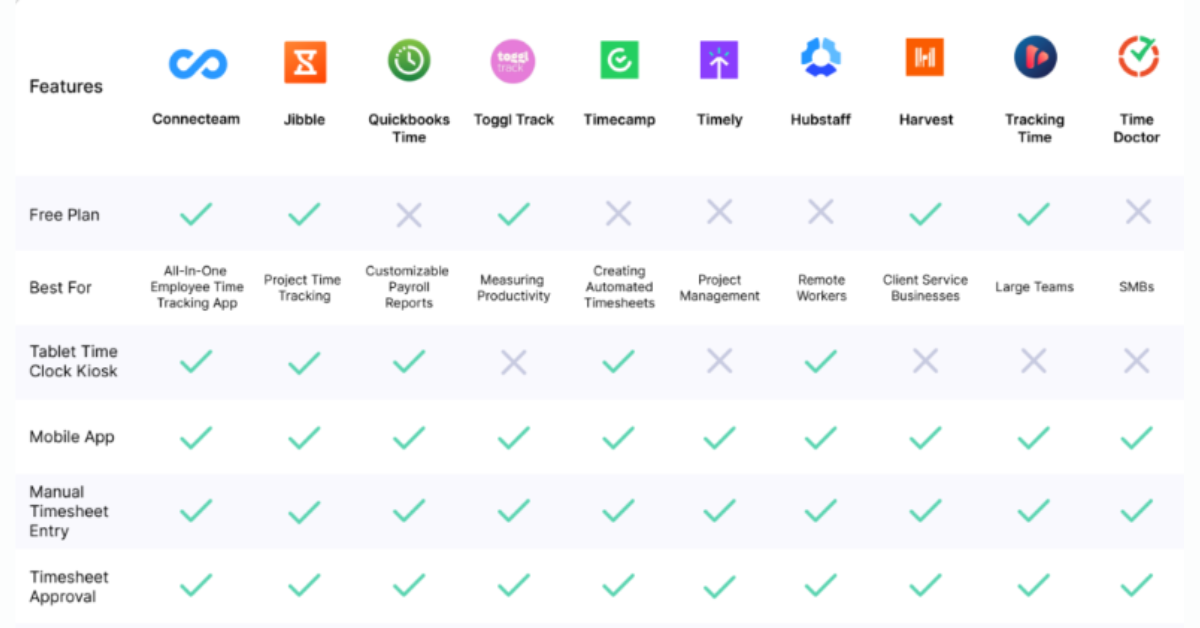
There are alternatives like Toggl, Clockify, and Hubstaff that offer strong time tracking and employee management capabilities. We put them head-to-head with Tmetric:
Toggl: Simplicity at a Cost
Toggl is widely praised for its ease of use, making it a great choice for individuals or small teams. However, it lacks built-in billing and invoicing capabilities, forcing users to rely on external tools for client billing.
Why TMetric Excels:
TMetric combines simplicity with powerful invoicing and billing tools, ensuring all time-tracking and payment-related needs are managed within a single platform. This not only streamlines workflows but also saves teams the hassle of managing multiple software solutions.
Clockify: Free, But Limited
Clockify’s free version is appealing for budget-conscious users, but it falls short in providing detailed reporting and productivity insights needed for data-driven decision-making.
Why TMetric Excels:
TMetric offers robust reporting tools, providing real-time insights into project progress, resource allocation, and team productivity. These detailed analytics enable businesses to optimize operations effectively without incurring additional costs.
Hubstaff: Rich Features, Steep Learning Curve
Hubstaff is packed with advanced features like GPS tracking and activity monitoring, but its higher price point and complexity make it less accessible for smaller teams or startups.
Why TMetric Excels:
TMetric delivers the perfect balance of advanced functionality and user-friendliness at an affordable price. It caters to teams of all sizes by offering intuitive navigation and streamlined tools, reducing the learning curve significantly.
Harvest: Great for Invoicing, But Pricey
Harvest excels in invoicing and expense tracking, making it a strong contender for financial management. However, its higher cost can deter smaller teams or agencies with tight budgets.
Why TMetric Excels:
TMetric provides comparable invoicing features at a fraction of the cost. Its transparent pricing model, starting at just $5 per user per month, ensures businesses can access powerful financial tools without overextending their budgets.
RescueTime: Personal Focus vs. Team Efficiency
RescueTime is excellent for individuals looking to improve personal productivity but lacks the collaborative tools necessary for team-based tracking and management.
Why TMetric Excels:
TMetric’s focus on team productivity, with features like shared dashboards, task management, and time off tracking, makes it a superior choice for businesses that rely on collaboration and accountability across teams.
Why TMetric Stands Out Among Alternatives

TMetric excels by offering a well-rounded suite of features that address the needs of modern businesses. Its ability to combine intuitive time tracking, seamless billing, detailed analytics, and team-focused management tools into a single platform sets it apart from the competition. Moreover, its affordability ensures accessibility for businesses of all sizes.
If you’re seeking a time-tracking solution that goes beyond the basics and supports your team’s productivity without breaking the bank, TMetric emerges as the clear choice. With its emphasis on usability, transparency, and cost-effectiveness, TMetric continues to redefine what businesses should expect from time-tracking software.
Conclusion
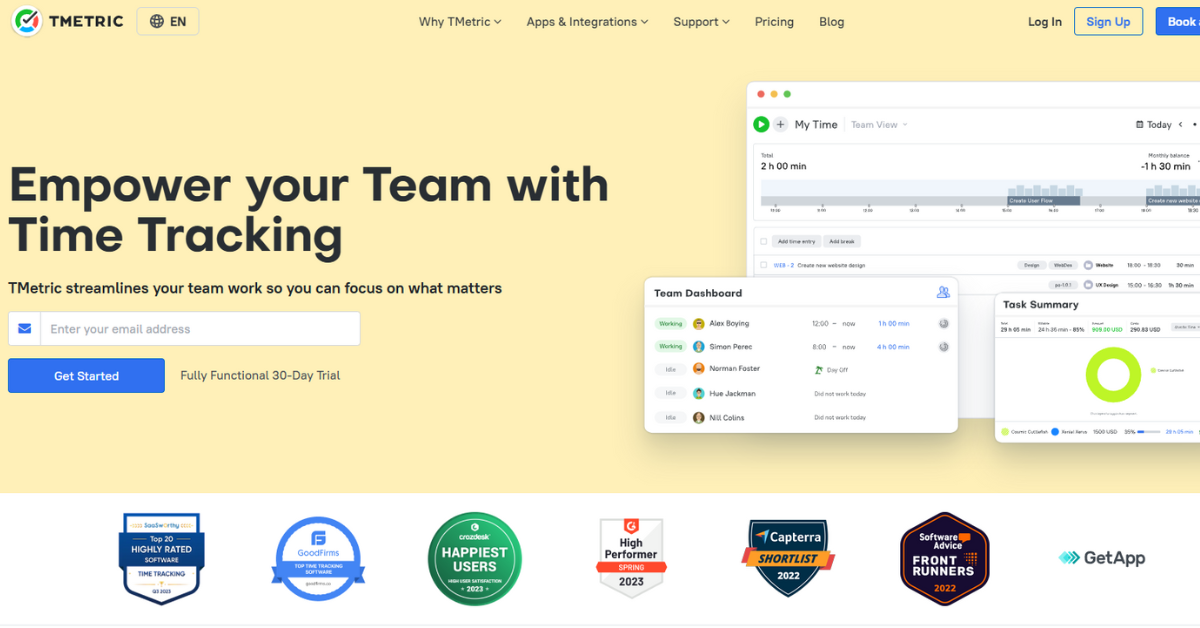
For digital agencies, TMetric is more than just a time tracker; it’s a tool that enhances productivity, optimizes workflows, and builds trust with clients through transparent reporting. While it has some limitations, such as offline functionality and basic invoicing, its affordability and rich feature set make it an excellent choice for small to mid-sized agencies.
If your agency is ready to take control of its time management and maximize efficiency, TMetric offers a cost-effective and powerful solution to help you achieve your goals.
Read Also: Hiring Ecommerce Marketing Agency? Here’s How to Hire the Best for You


